I check the battery life on my camera, yikes, its reading low! I quickly remove the battery and insert it into the charger while thanking my lucky stars for catching this now as the drive will be long tomorrow morning. After formatting the memory cards, I place them in a secure pocket in my pack and insert one into my camera. I throw some snacks and other essentials in the backpack and place it near my camera and binoculars in the foyer. Last task, making a mental note to remove the batteries from the charge in the morning and off to bed I go.
Some birders reading this might be relating to what I just described, preparing the night before a birding trip to ensure all the right gear is ready. Exploring and hiking to find birds in nature is exciting. There is no doubt, birding is a hobby where time seems to slip away while our thoughts about daily stress just go away. We have an incredible capability to attain and capture an intimate view into the lives of the critters that surround us and share our world. This means we also need to be mindful of our actions. Uncle Ben from Spiderman said it best, “…with great power comes great responsibility…”
A few weeks ago, I went out to see if I could photograph a male Great Horned Owl who is known to perch in a tree near his partner while she is sitting on their eggs. The nest is a small, forested area in a well-known park that can have many visitors walking through daily. Upon my arrival, I scanned the trees with my binoculars to locate the male, his feathers blended well with the deciduous trees while perched in his usual spot covered with branches about 15 feet off the ground. He appeared to be roosting peacefully occasionally opening his eyes to scan the area around him.
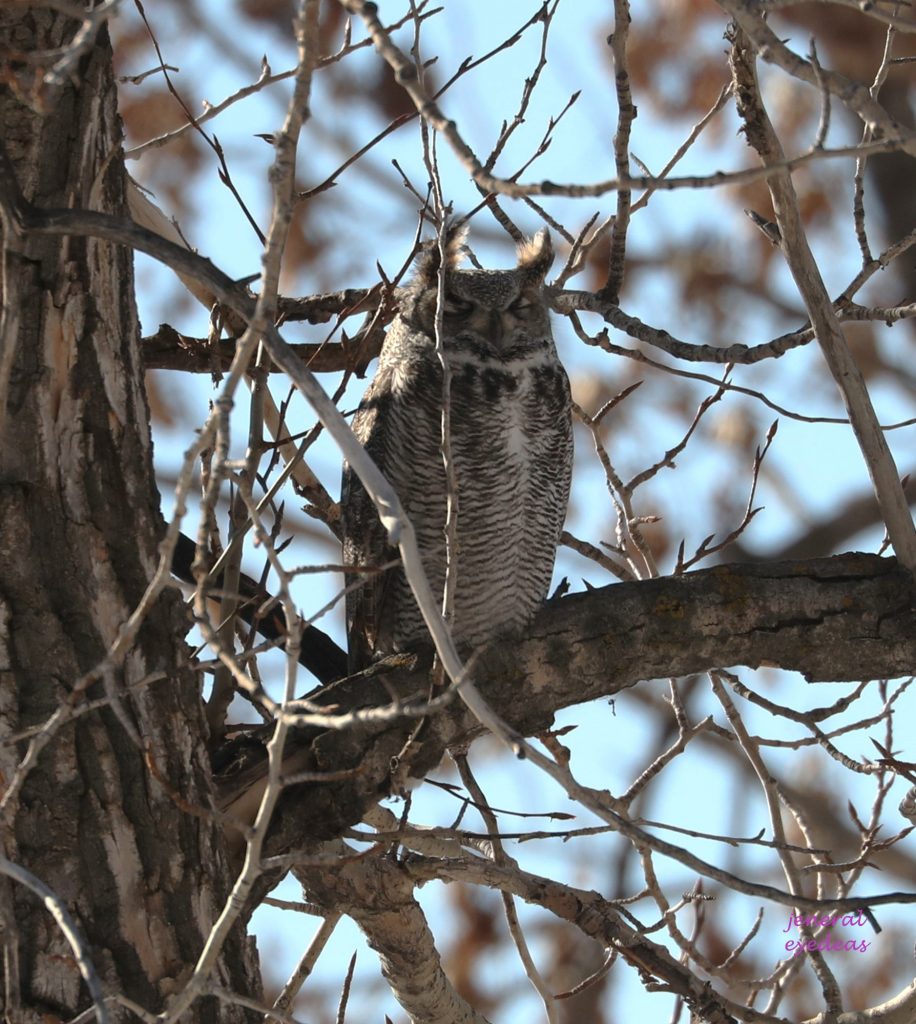
A few people were already walking towards him with camera and binoculars in tow, they stopped right underneath the male to take several pictures. I quickly adjusted my path to walk towards these individuals, they greeted me and asked if I knew about the owl. Tactfully with a lowered voice, I gently informed them our presence this close to the owl cause them stress and it is best we observe and photograph them while keeping our distance. Unsurprisingly, they seemed genuinely unaware and quickly left the area after wishing me a good day. I walked away from the owl to a spot several feet away where I could take a few pictures with my telephoto lens without stressing the feathered critter and bringing unwanted attention to his location.
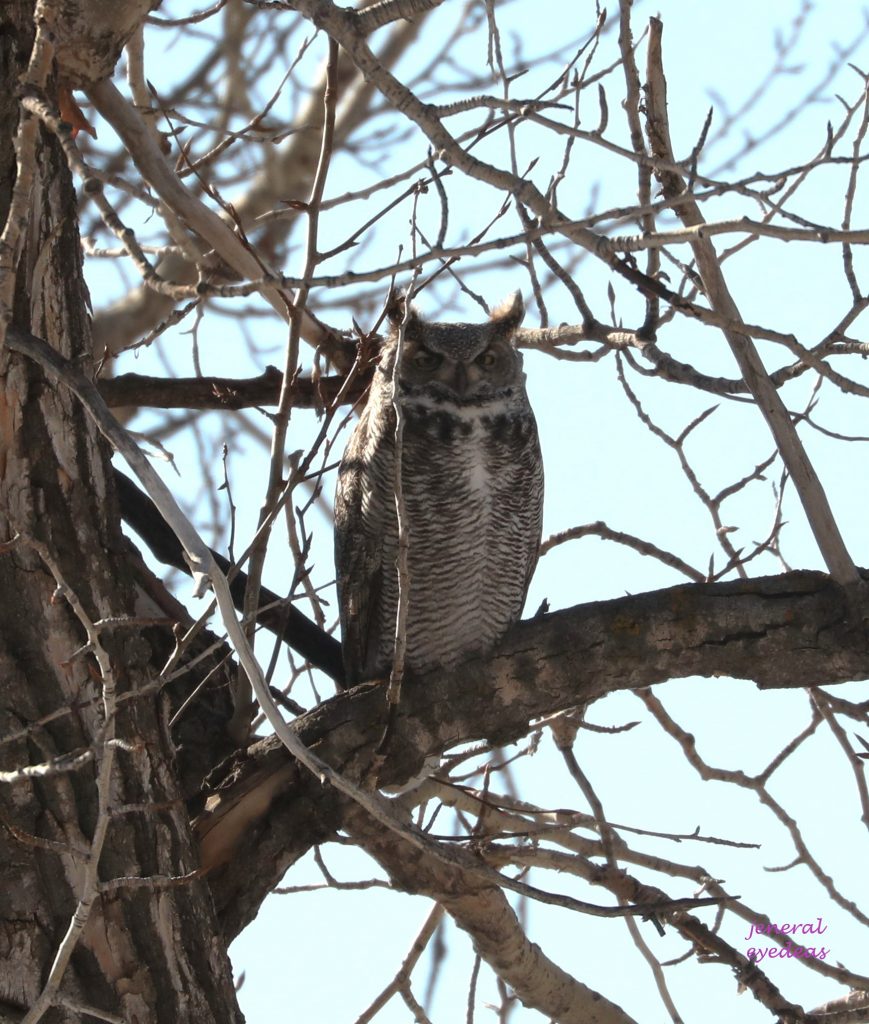
For anyone who is reading this blog, please remember to consider the well-being of the bird you are watching or photographing. The feeling of exhilaration and the drive for a perfect close-up image can be overwhelming, I completely understand having experienced these emotions firsthand. Nevertheless, reducing unintentional harm to our feathered friends should be the primary concern. There are several free resources available on how to follow the practices and principles of ethical birding. A couple websites I use are Audubon’s Guide to Ethnical Bird Photography and Videography and Bird Ethics: Guidelines for respecting birds, their habitat and each other.
Respecting and protecting our feathered friends will allow us to continue to have opportunities to observe and capture the fascinating moments in their lives. More importantly, it means we are helping the survival of birds so they can achieve their biological destiny of contributing to the ecosystem that sustains life.
Leave a Reply